Alexa Grasso Net Worth 2026 - Mexico's First UFC Champion and the Empire She Built
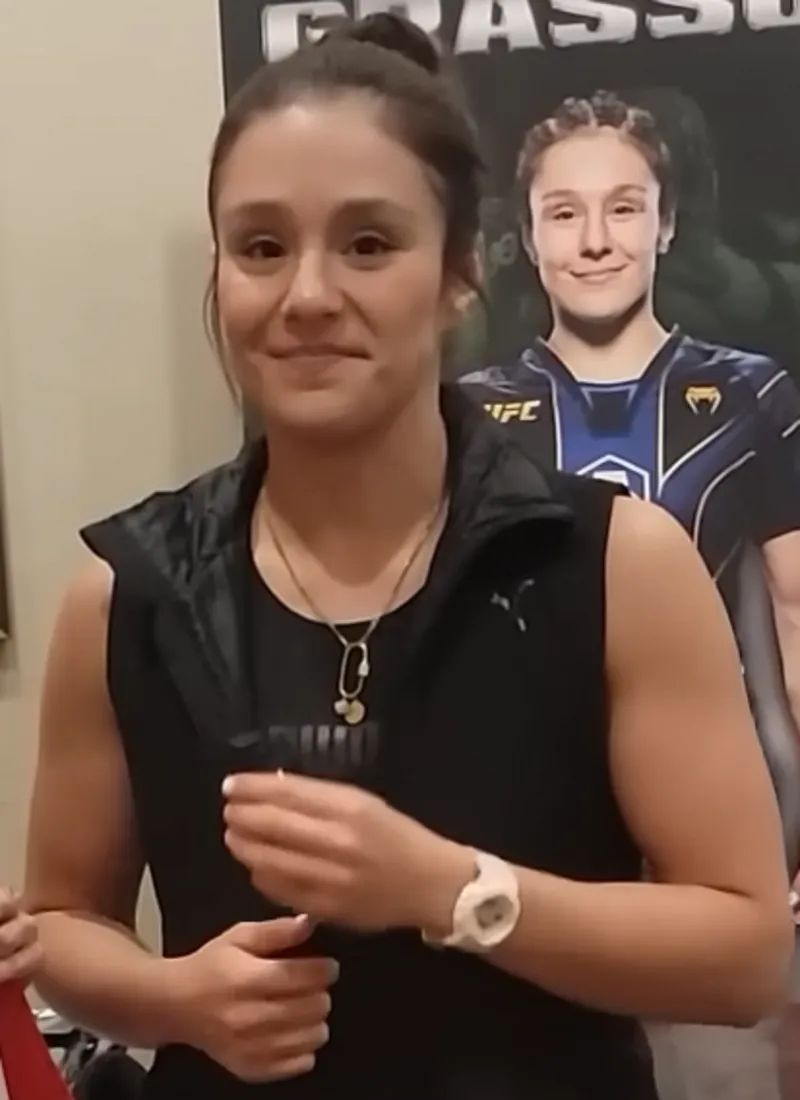
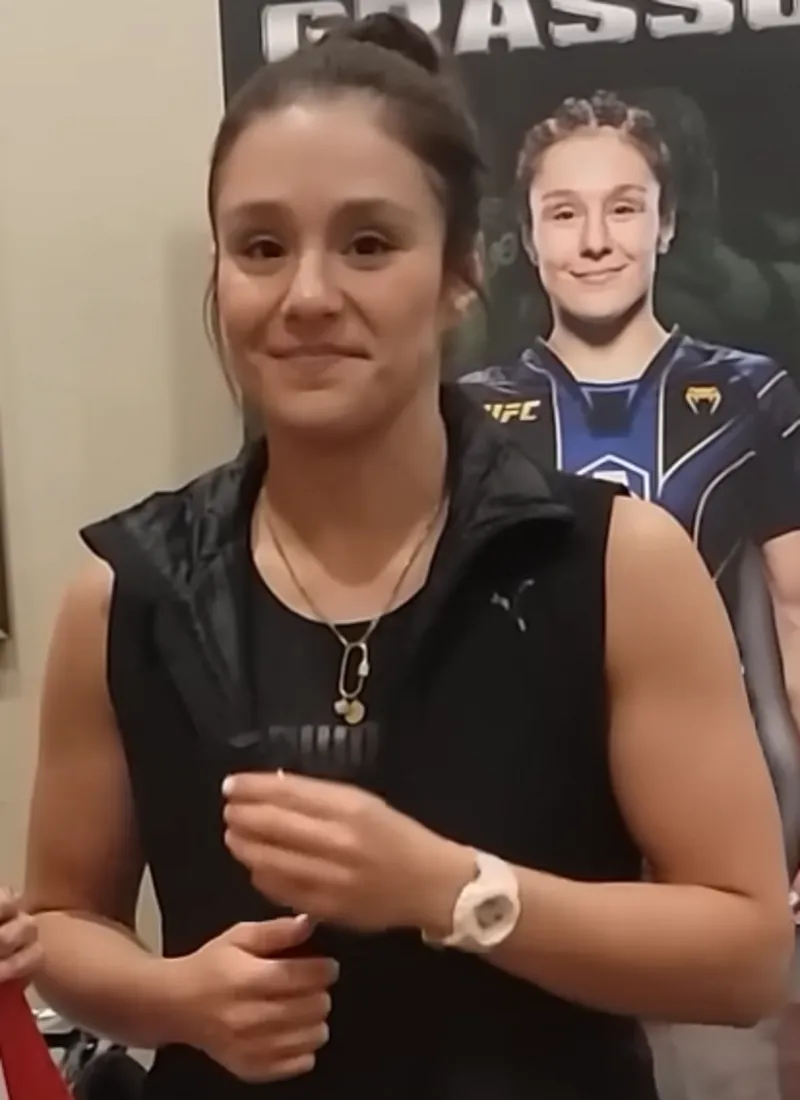
Photo of Alexa Grasso, via Wikimedia Commons
Alexa Grasso Net Worth 2026 - Mexico's First UFC Champion and the Empire She Built
The night Alexa Grasso wrapped a fourth-round rear naked choke around Valentina Shevchenko's neck at UFC 285, the financial calculus of women's MMA in Mexico changed permanently. Grasso had been a respected, technically skilled contender for years — a fighter who had earned her ranking through patient development and disciplined performance. But in that single moment in Las Vegas, she became something far more commercially significant: the first Mexican-born UFC champion, a national hero, and the centerpiece of a marketing opportunity that transcended the sport. As of 2026, Alexa Grasso's estimated net worth stands at approximately $3 million to $4.5 million, and the trajectory suggests that figure will continue climbing as her cultural footprint expands.
 Photo: Alexa Grasso, via www.lowkickmma.com
 Photo: Valentina Shevchenko, via www.lowkickmma.com
The Guadalajara Foundation
Grasso was born in Guadalajara, Jalisco, in 1993 — a city with deep sporting pride and a passionate combat sports culture. Her father introduced her to martial arts at a young age, and she competed in regional circuits before earning her first major promotional contract. Her early UFC career, which began in 2016, was characterized by technical growth and occasional inconsistency, but her management team and the UFC's matchmaking office recognized her potential as a marketable figure in the critical Mexican market long before her championship moment.
Mexico represents one of the UFC's most commercially vital international markets. The country has produced generations of boxing champions and carries a deep cultural affinity for combat sports. Grasso's emergence as a UFC titleholder filled a space the organization had long sought to occupy — a homegrown Mexican champion capable of driving pay-per-view purchases, live event attendance, and sponsorship revenue in a market of over 130 million people.
Fight Purses: Before and After the Title
Grasso's pre-championship fight purses reflected her status as a ranked contender. Her disclosed compensation in the years leading up to UFC 285 ranged from approximately $30,000 to $80,000 per bout, consistent with a fighter operating in the middle tier of the women's flyweight division. The title fight itself, however, represented a step-change. Her disclosed purse for the Shevchenko bout was reported at $150,000, supplemented by performance bonuses and PPV participation that pushed her total compensation for that night into the $300,000 to $400,000 range by most industry estimates.
The rematches with Shevchenko — a pair of encounters that produced one of the most compelling rivalries in women's MMA history — further escalated her earning power. The September 2023 rematch at Noche UFC, held at T-Mobile Arena on Mexican Independence Day weekend in a booking that was as much a cultural statement as a sporting event, commanded exceptional pay-per-view interest. Grasso's compensation for that fight is estimated to have exceeded $500,000 in total, making it the highest-earning night of her career to that point.
Over the full arc of her UFC career through 2026, total in-cage earnings are estimated at approximately $1.5 million to $2 million.
The Noche UFC Phenomenon and Cultural Monetization
The Noche UFC event deserves special attention in any analysis of Grasso's financial profile, because it illustrated something rarely seen in women's MMA: a fighter whose cultural identity becomes a primary driver of commercial value rather than a secondary consideration.
Scheduled to coincide with Mexican Independence Day, the event was built almost entirely around Grasso's championship defense. The production design, the marketing materials, the broadcast presentation — all of it centered on her identity as Mexico's champion. The event drew exceptional viewership numbers in both the United States and Mexico, and the associated sponsorship activations, brand integrations, and media coverage generated a commercial ecosystem that extended well beyond the fight itself.
Grasso's ability to anchor an event of that magnitude at 26 years old demonstrated a commercial ceiling that her management has been methodically working to reach ever since.
Endorsements: A Landmark Portfolio for Women's MMA
Perhaps the most financially significant development of Grasso's post-championship career has been the construction of an endorsement portfolio that is genuinely exceptional by the standards of women's combat sports. She has secured deals with brands on both sides of the US-Mexico border, creating a diversified income stream that reflects her unique crossover positioning.
In Mexico, she has become a brand ambassador for companies in the apparel, beverage, and sports nutrition sectors — partnerships that carry meaningful financial value in a large consumer market where her name recognition approaches that of major boxing stars. In the United States, she has attracted interest from brands targeting the Latino consumer demographic, which represents one of the fastest-growing and most commercially engaged audiences in the country.
Estimates place her annual endorsement income at approximately $400,000 to $700,000 at peak, with total endorsement earnings since her championship win likely exceeding $1 million through 2026. That figure is extraordinary for a women's flyweight champion and speaks directly to the commercial multiplier effect of her cultural significance.
Media Revenue and Social Media Growth
Grasso's social media following has grown dramatically since her championship win, with her Instagram and other platforms accumulating millions of followers — a substantial portion of them in Mexico and the broader Spanish-speaking world. That audience scale translates into sponsored content rates that are competitive with fighters ranked far above her in terms of raw fight purse income.
She has also participated in media projects, documentary features, and broadcast segments that have generated additional revenue while reinforcing her public profile. Her story — a Guadalajara native who became Mexico's first UFC champion — carries genuine narrative power that mainstream media outlets and streaming platforms have been willing to invest in.
Real Estate and Financial Infrastructure
Grasso has invested in real estate in both Mexico and the United States, consistent with advice typically given to athletes managing income earned in multiple currencies and jurisdictions. Her management team has emphasized financial planning and long-term asset building, recognizing that the championship window — while potentially long — carries inherent uncertainty.
She maintains a professional training infrastructure in Las Vegas, where the UFC's facilities and coaching talent are concentrated, while preserving strong ties to Guadalajara that serve both personal and commercial purposes.
The Road Ahead
At 32 years old in 2026, Grasso remains in the prime of her athletic career. Her financial trajectory is defined less by what she has already accumulated than by what the next several years could produce. A continued championship reign, additional marquee events in the Mexican market, and the maturation of her endorsement portfolio could push her net worth well past $5 million before her competitive career concludes.
What Grasso has demonstrated is that in the modern UFC economy, cultural identity is not merely a personal attribute — it is a financial asset. She has monetized her heritage with intelligence and authenticity, and in doing so, she has written a blueprint that female fighters in emerging markets will study for years to come.