Sean O'Malley Net Worth 2026 - The Suga Show's Bantamweight Fortune

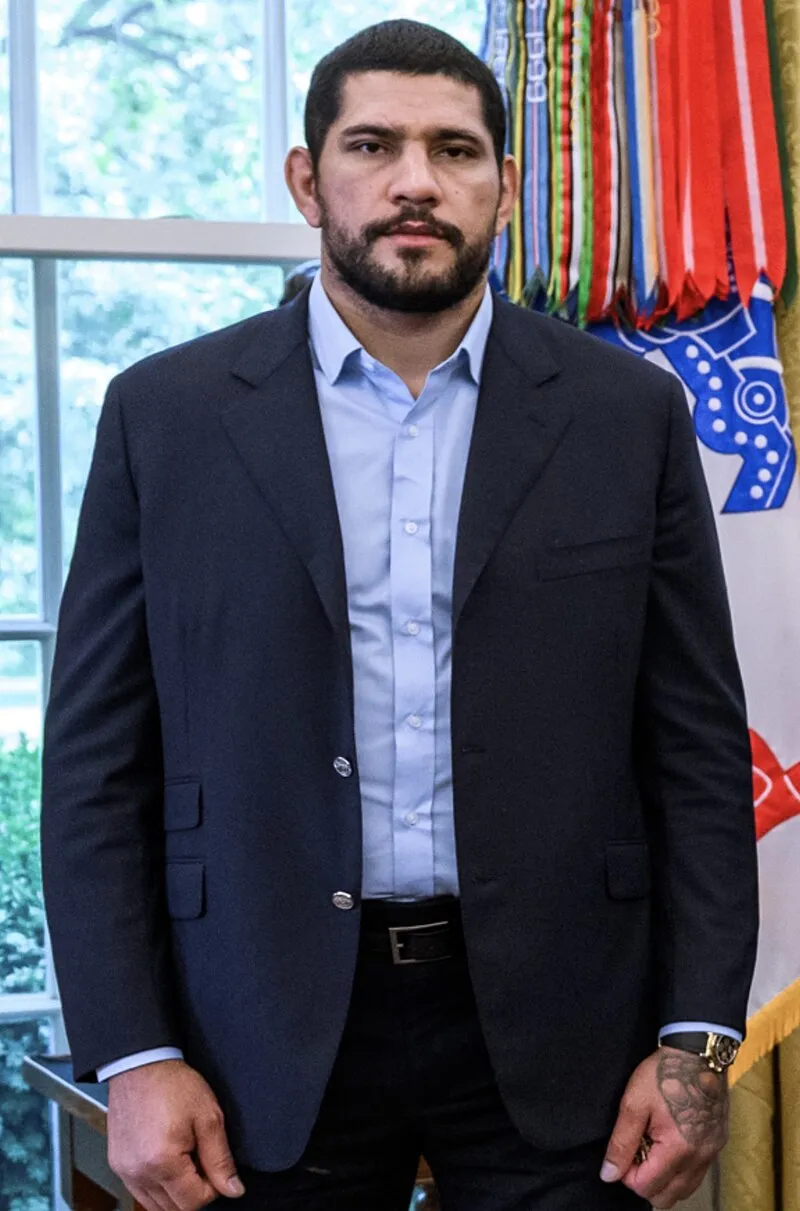
Photo: Scott Maentz, CC BY 2.0, via Wikimedia Commons
Sean O'Malley did not build his financial empire solely inside the Octagon. He built it on Instagram reels, YouTube thumbnails, podcast episodes, and a supplement brand designed for the same generation that discovered him through a smartphone screen. His estimated net worth in 2026 is approximately $6 million to $8 million — a figure that places him well above the median UFC champion and reflects a commercial savvy that rivals fighters twice his age.
The Viral Origin Story
O'Malley's path to financial prominence is unlike virtually any other fighter on the UFC roster. He first gained widespread attention not through a regional circuit grind or an international combat sports pedigree, but through social media content that showcased his striking artistry and his flamboyant, unapologetically individualistic personality. By the time he appeared on Dana White's Contender Series in 2017, he already had a following that most established fighters could not claim.
That pre-existing audience changed his commercial calculus from day one. Sponsors do not pay simply for athletic performance — they pay for eyeballs, and O'Malley arrived in the UFC with eyeballs already attached. His early UFC contract, while modest in base pay terms, came bundled with commercial leverage that most prospects spend years trying to develop.
UFC Fight Purses and Championship Earnings
O'Malley's in-cage earning trajectory was not without turbulence. A controversial loss to Marlon Vera in 2020, later attributed in part to a nerve issue, temporarily disrupted his momentum. But the string of spectacular finishes that followed — each amplified by his social media reach — rebuilt his standing rapidly.
His title shot against Aljamain Sterling at UFC 292 in August 2023 marked his arrival at the sport's highest pay tier. The fight, which O'Malley won by second-round TKO to claim the bantamweight championship, generated a disclosed purse estimated at $500,000, with undisclosed incentive pay and potential pay-per-view participation pushing his total for that evening considerably higher.
His subsequent title defenses and high-profile bouts — including his rematch with Marlon Vera and his engagement with Merab Dvalishvili — have kept him in the main event pay bracket. Across his full UFC tenure, O'Malley's cumulative fight earnings are estimated at $3 million to $3.5 million, a figure that continues to grow with each Octagon appearance.
The Sponsorship Machine: Appealing to a New Generation
O'Malley's sponsorship portfolio is arguably his most distinctive financial asset and the clearest illustration of how his brand transcends traditional MMA demographics. Rather than limiting himself to combat sports equipment companies and regional supplement brands, he has cultivated relationships with partners oriented toward youth culture, streetwear, cannabis lifestyle, and gaming.
His partnership with Bud Light — a brand that invested heavily in UFC content marketing — represented the kind of mainstream commercial validation that few bantamweights ever achieve. Deals with gaming-adjacent brands, apparel companies, and lifestyle products aimed squarely at the 18-to-28 demographic have collectively generated what industry analysts estimate at $1 million to $2 million annually in endorsement income.
Crucially, O'Malley's sponsored content does not feel like traditional athlete advertising. His delivery — casual, self-aware, and consistent with his broader social media persona — makes brand integrations feel organic to his audience, which dramatically increases their commercial effectiveness and, by extension, their value to sponsors.
TimBSama Supplements and the Lifestyle Brand
O'Malley's most ambitious commercial venture is his supplement brand, a project that capitalizes directly on his influence over a fitness-conscious, brand-loyal young audience. The supplement industry is a natural fit for a UFC champion with a large social media following — it allows athletes to capture margin that would otherwise flow to third-party brands paying for endorsement access.
His supplement line, marketed through his existing digital channels, operates in a competitive but high-margin sector. Comparable athlete-owned supplement brands with equivalent social followings generate annual revenues ranging from $500,000 to several million dollars, depending on product range, distribution reach, and marketing spend. O'Malley's ability to promote his own products without incurring traditional advertising costs gives him a structural advantage over brands that must buy their way into consumer consciousness.
YouTube, Podcasting, and Digital Revenue
O'Malley's YouTube channel and podcast presence constitute a revenue stream that most of his peers on the UFC roster simply do not have. His channel, which documents training camps, fight week experiences, and lifestyle content, consistently generates millions of views per upload — a volume that translates into meaningful advertising revenue through YouTube's Partner Program.
Estimates for top-tier MMA content creators on YouTube suggest annual platform revenue in the range of $200,000 to $500,000 for channels operating at O'Malley's viewership level. His podcast, "TimBSama," adds additional sponsorship inventory and listener-supported revenue on top of that baseline.
Collectively, O'Malley's digital content operation functions as a media business that runs parallel to his fighting career — one that will not disappear when his championship reign eventually ends.
Real Estate and Asset Accumulation
O'Malley is based in the Phoenix, Arizona area, a market that experienced significant real estate appreciation during the early 2020s. He has been open about purchasing property in the region, consistent with a broader pattern of UFC champions converting fight earnings into tangible assets. His real estate holdings are estimated at $1 million to $1.5 million, reflecting both his Montana roots and his Arizona base of operations.
The Commercial Case for Suga
What makes O'Malley's financial story particularly instructive is the degree to which it illustrates a new model for athlete wealth creation. Traditional UFC earnings — fight purses, win bonuses, performance bonuses — represent only a fraction of his total income. The majority of his wealth has been built through brand partnerships, owned media, and entrepreneurial ventures that leverage his fighting career as a platform rather than treating it as the entirety of his commercial identity.
With an estimated net worth of $6 million to $8 million at 30 years old and multiple revenue streams operating simultaneously, Sean O'Malley has constructed a financial architecture that looks less like a fighter's bank account and more like a media company with a UFC title on the shelf.